
At TLR, our monthly Thank God It’s Friday (TGIF) talks are all about sharing knowledge from within our own community. Every month, one of our members steps up to share their expertise, giving the rest of us a chance to learn something new… and sometimes to look at familiar things in a completely different way.
One of those talks explored a topic that affects every single one of us, whether we realise it or not: communication.
Led by one of our community members, Jeltje Visser, a communications consultant specialising in internal communication, the session unpacked why communication is about so much more than sending emails or writing announcements. It sparked one of the liveliest Q&A sessions we’ve had at TLR, with plenty of practical insights that apply just as much to freelancers, entrepreneurs, and remote workers as they do to large organisations.
Everything Is Communication
One of the biggest ideas from the evening was surprisingly simple: everything communicates.
As Jeltje explained: “Not answering an email is also communication. People laughing is communication. Trying not to show emotion is communication. You can try really hard not to communicate, but good luck – you’re still communicating.”
It’s an idea that’s easy to overlook.
We tend to think communication happens when we speak or write, but every action (or lack of action) sends a message. The speed of your reply, your body language in a meeting, the way you listen, or even choosing to say nothing all shape how people perceive you.
Once you start thinking about communication this way, it’s hard to unsee it.
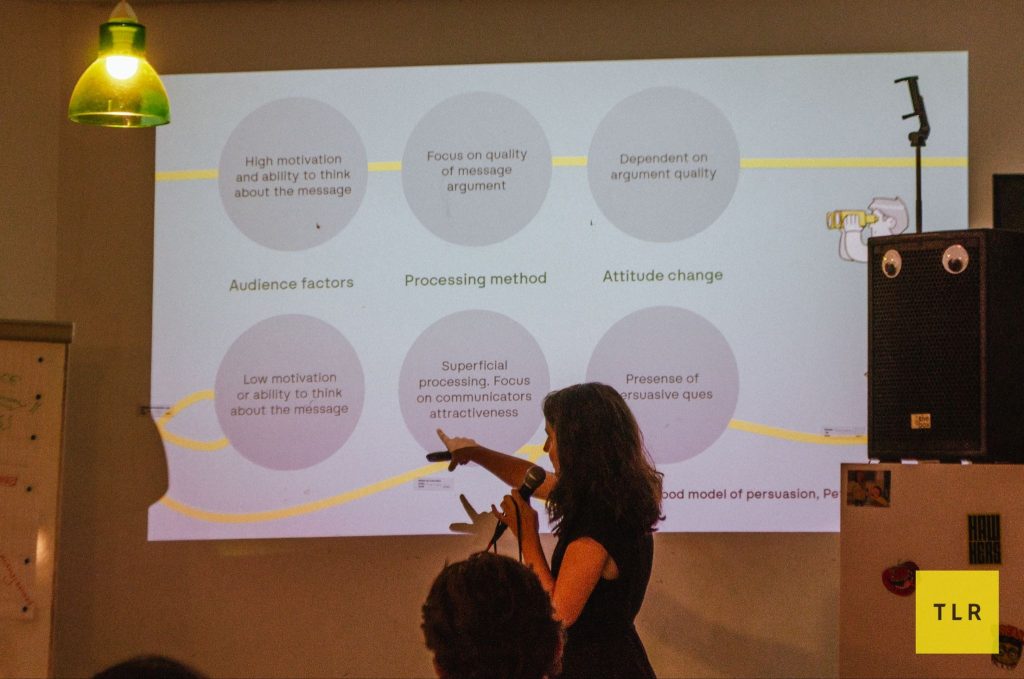
Great Communication Starts Before You Write Anything
Many organisations, Jeltje explained, jump straight into creating content.
They need to announce something, so they send an email. They launch a new initiative, so they publish an intranet article or create a newsletter.
But that’s often starting at the wrong end of the process.
“People often come to me asking for a newsletter,” she said. “The first thing I ask is, ‘Why do you want to send one?'”
That simple question often changes the entire conversation.
Instead of asking what they should communicate, organisations should first ask:
- What are we trying to achieve?
- What are our values?
- Who are we trying to reach?
- What do those people actually need?
Only once those questions have been answered does it make sense to choose the right channel or format.
As TLR’s founder, Ben Kolp, reflected after the session, one of his biggest takeaways was not to “just blast information out”. Instead, communication should always be aligned with an organisation’s mission, values, and goals.
Communication Alone Can’t Solve Every Problem
Jeltje also challenged a common misconception: that communication can fix everything. It can’t.
As she explained: “Communication can’t solve every problem. If salaries aren’t fair or leadership isn’t working, communication alone won’t fix that.”
But that doesn’t make communication less important.
When leaders, HR, and communication teams work together, communication becomes the thread that helps people understand what’s happening, why decisions are being made, and where they fit into the bigger picture.
It’s often the difference between people simply receiving information and genuinely feeling included.
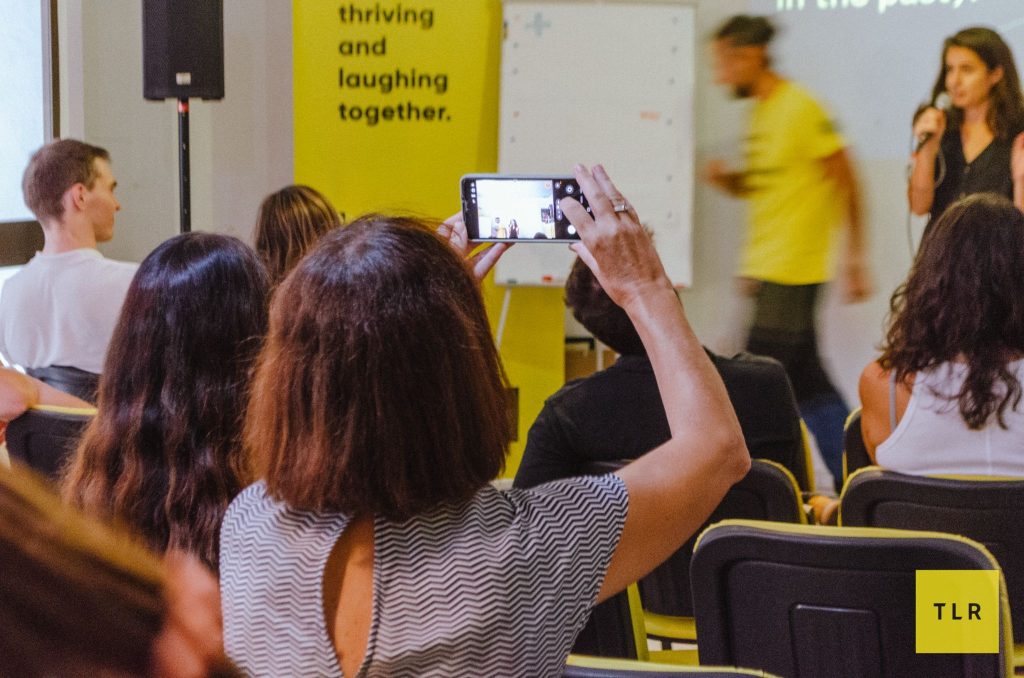
We Don’t Make Decisions as Rationally as We Think
One of the most fascinating parts of the evening explored how people actually process information.
“We like to think we make decisions rationally,” Jeltje explained, “but most of the time we don’t”.
Facts matter, of course, but people are often influenced far more by emotions, stories, visuals, memories, and personal experiences than by statistics alone.
It’s why the best communicators don’t simply provide information, they create understanding.
Whether you’re presenting an idea to clients, leading a team, or even writing a LinkedIn post, thinking about how people experience your message is just as important as the message itself.
Start With the Person Receiving the Message
Another recurring theme throughout the evening was empathy.
Rather than focusing on what you want to say, Jeltje encouraged us to start with the people receiving the message.
“Don’t start with what you want to say,” she explained. “Start with the receiver. Think about what they actually want to hear”.
It’s a subtle shift in perspective, but one that makes communication far more effective.
Whether you’re speaking to colleagues, customers, or your own community, understanding your audience should always come first.
Sometimes the Best Communicator Is the Best Listener
During the Q&A, the conversation turned to leadership and difficult conversations.
Jeltje’s advice wasn’t about finding the perfect speech or carefully crafted email.
Instead, she reminded us that “sometimes, as the sender, you need to become the receiver”.
People often don’t need someone to immediately solve their problem. They need someone willing to listen, understand, and acknowledge how they’re feeling.
In a world where everyone seems eager to speak, that felt like one of the most powerful lessons of the evening.
Communication Is a Skill We Never Stop Learning
One of the reasons our TGIF events are so valuable is that they remind us just how much expertise exists within our own community.
This session wasn’t only about communication inside large organisations. It was about how we connect with people every day, through conversations, emails, meetings, body language, and even silence.
Whether you’re managing a team, running your own business, collaborating remotely, or simply trying to become a better communicator, the ideas shared during the evening offered plenty to think about.
And perhaps the biggest takeaway of all?
Everything is communication. Once you understand that, you start communicating more intentionally… in work, in business, and also in life.
If you would like to join TLR, check out our various subscription offerings here: https://tlr-coworking.com/subscriptions/. Our ‘Friend’ subscription, for example, is only €50/month and includes access to all TLR events and social gatherings, including the monthly TGIF! If you’d like a subscription with more office hours, you’re welcome to book a free trial day!